
7 Mistakes to Avoid When Starting Your First Construction Project in Pakistan
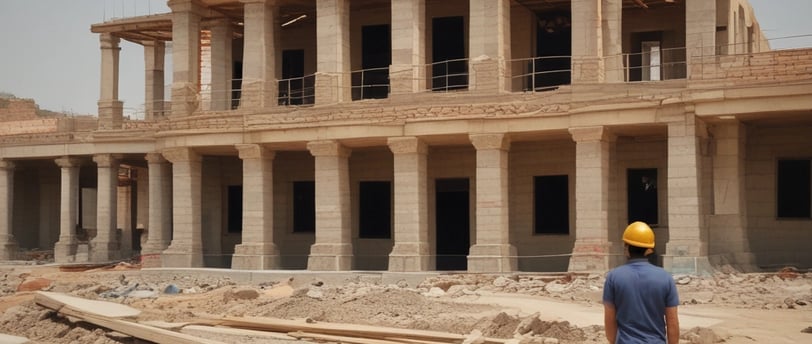
Introduction to Construction Projects in Pakistan
The construction landscape in Pakistan is a dynamic and rapidly evolving sector characterized by a blend of opportunities and challenges. As urbanization continues to rise, demand for residential, commercial, and infrastructure projects increases. Understanding the local context is essential for anyone embarking on a construction project in this region. The country’s regulatory environment, cultural nuances, and market dynamics play a significant role in the planning and execution of these projects.
In particular, the regulatory framework in Pakistan can be intricate, often varying across provinces and municipalities. Potential builders and investors must familiarize themselves with local building codes, zoning laws, and permits requisite for initiating a construction project. Any oversight in compliance with these regulations can lead to delays and increased costs, which may jeopardize the project's overall success.
Moreover, the economic landscape and market dynamics greatly influence construction costs and timelines. Factors such as inflation, availability of construction materials, labor markets, and international trade policies can impact project feasibility. Understanding these elements is crucial, as they can lead to significant variations in budget and project schedules if not anticipated and managed properly.
For first-time construction project managers and investors, recognizing and avoiding common mistakes is vital. In a sector where missteps can lead to substantial financial and legal consequences, being acutely aware of the local context can make a marked difference. Consequently, it is imperative to conduct thorough research, engage with local experts, and develop a comprehensive plan before embarking on a construction project in Pakistan. This foundational understanding sets the stage for improved outcomes and successful project execution.
Mistake 1: Neglecting Proper Planning and Budgeting
Embarking on a construction project in Pakistan requires diligent planning and meticulous budgeting, as these elements significantly influence the project's success. Effective planning incorporates several critical components, including setting clear objectives, defining project timelines, and identifying necessary resources. Without a comprehensive plan, projects can easily become disorganized, leading to delays, increased costs, and overall dissatisfaction among stakeholders.
One of the primary aspects of a well-structured plan is creating a realistic timeline. This should outline each phase of the project, detailing durations, milestones, and critical deadlines to ensure all parties remain aligned. Moreover, accounting for unforeseen circumstances is essential in the project timeline. Construction projects often encounter delays due to weather, supply chain issues, or regulatory hurdles. By integrating buffer periods into the timeline, project stakeholders can manage expectations and ensure timely completion.
In addition to timelines, careful budgeting is paramount for any construction endeavor. This process involves estimating costs across various categories, such as labor, materials, permits, and contingencies. A common pitfall is underestimating expenses or failing to account for unavoidable costs. By creating a thorough budget, stakeholders can avoid the risk of running out of funds mid-project, which could halt work and lead to potential financial loss or project abandonment.
Neglecting planning and budgeting not only jeopardizes the success of a construction project but can also damage professional relationships within the industry. Contractors, suppliers, and clients expect transparency and accountability, and any misstep in planning or budgeting can lead to mistrust and conflict. Thus, ensuring detailed preparation before starting a construction project is vital in navigating the complexities of the construction landscape in Pakistan.
Mistake 2: Ignoring Compliance with Legal and Regulatory Requirements
Engaging in a construction project in Pakistan necessitates a thorough understanding of the legal and regulatory frameworks that govern such initiatives. Newcomers often overlook or underestimate the importance of compliance with local laws, which can lead to significant complications and financial loss. The construction sector in Pakistan is subject to various rules and regulations aimed at ensuring safety, environmental protection, and community standards, which must be adhered to rigorously.
One major pitfall frequently encountered by first-time constructors is the failure to obtain the necessary permits prior to starting their project. These permits may include building permits, environmental clearances, and approvals from local development authorities. Non-compliance with these requirements can lead to project halts, legal actions, and even hefty fines imposed by the authorities. Therefore, it is critical for project owners to familiarize themselves with the specific legal requirements of their local jurisdiction, ensuring that they have all necessary approvals in hand before commencing construction.
Moreover, engaging with qualified professionals such as legal advisors, architects, and engineers who understand the regulatory landscape can considerably enhance the compliance process. These experts can provide invaluable insights into navigating the complexities of local laws and help mitigate risks associated with legal challenges. Additionally, it is essential to remain updated on any changes in laws or regulations, as these may impact the project throughout its duration.
In summary, ignoring legal and regulatory requirements not only jeopardizes the success of the construction project but can also lead to severe legal repercussions. Therefore, taking the time to understand, comply with, and seek guidance on these requirements is an indispensable step for anyone venturing into construction in Pakistan.
Mistake 3: Underestimating the Importance of Quality Materials and Skilled Labor
When embarking on a construction project in Pakistan, one of the most significant mistakes that can be made is underestimating the importance of quality materials and skilled labor. Many property owners and project managers may seek to reduce costs by opting for cheaper materials or hiring less experienced workers, resulting in detrimental effects on the final outcome of the project.
Quality materials are essential for ensuring the durability and safety of any structure. From the foundation to the finishing touches, the selection of appropriate materials directly affects the longevity of the construction. For instance, using substandard cement or low-grade steel can lead to structural weaknesses, which may result in failures or costly repairs in the future. Investing in high-quality materials is not merely an expense; it represents a commitment to long-term project success. Therefore, it is crucial to source materials from reputable suppliers who adhere to established standards and regulations.
In addition to materials, the expertise of the labor force cannot be overlooked. Skilled laborers bring invaluable knowledge and experience to the project, ensuring that construction practices are up to code and carried out efficiently. Hiring experienced workers can prevent common construction errors, reduce material waste, and save time on the overall project timeline. A project led by skilled professionals is more likely to meet safety standards and pass necessary inspections, which is vital for avoiding future legal complications.
Ultimately, the decision to prioritize quality over cost will yield significant advantages in terms of project durability, safety, and satisfaction. By recognizing the importance of quality materials and skilled labor, project managers can mitigate risks associated with poor construction practices, ensuring that the building stands the test of time.
Failing to Develop a Clear Communication Strategy
Effective communication is a cornerstone of successful project management, particularly in the construction industry in Pakistan. When embarking on a construction project, it is imperative to establish a clear communication strategy among all stakeholders, including contractors, suppliers, and clients. A lack of structured communication can lead to misunderstandings, misalignment of objectives, and ultimately affect the timeline and quality of the project.
One of the most common pitfalls in construction projects is relying on informal communication methods, which often result in fragmented information dispersal. When stakeholders do not receive consistent and structured updates, crucial details can be overlooked, creating barriers to project success. Additionally, unclear communication can foster an environment of mistrust among team members, which may hinder collaboration and overall project cohesion.
To avoid these pitfalls, it is essential to develop a comprehensive communication strategy at the onset of the project. This strategy should clarify the methods and channels of communication, assign roles and responsibilities, and set expectations for regular updates. Utilizing tools such as project management software, regular meetings, and progress reports can significantly enhance clarity and ensure everyone is aligned on project goals.
Moreover, actively soliciting feedback from all stakeholders can improve the communication process. Encouraging an open dialogue allows for the identification of potential issues before they escalate, providing opportunities for timely interventions. By implementing a robust communication framework, all parties can work towards a common goal, ensuring that the project is completed efficiently and effectively.
In conclusion, a well-defined communication strategy is not just an ancillary part of project management; it is an essential component that can determine the success or failure of a construction project in Pakistan. Investing the time and effort into establishing clear communication can yield significant dividends in project alignment and stakeholder satisfaction.
Mistake 5: Not Conducting Thorough Site Survey and Soil Testing
One of the most common pitfalls in initiating a construction project in Pakistan is the neglect of comprehensive site surveys and soil testing. Understanding the geological and environmental characteristics of the land is essential before commencing any construction activities. A thorough site survey provides vital information regarding the topography, vegetation, and existing infrastructure, which can significantly influence the construction process.
Soil testing, on the other hand, is equally important. It investigates the soil's composition, strength, and bearing capacity, helping to determine whether the ground can support the structure being built. Ignoring such evaluations can lead to numerous unforeseen challenges, including structural failures, excessive settling, or even catastrophic collapses. For instance, if the land possesses a high water table or expansive clay, this can complicate foundation work and necessitate additional engineering solutions that were not initially budgeted for.
Furthermore, a lack of proper site analysis can result in an inaccurate assessment of project costs and timelines. Without clear insights into potential site-specific challenges, such as soil instability or the presence of pollutants, construction teams might face delays or increased expenses due to corrective measures that emerge during the building process. Therefore, it is imperative to conduct these evaluations as part of the preliminary phases of a construction project.
Moreover, regulatory bodies often require detailed site surveys and soil tests to ensure that the project adheres to safety standards and environmental regulations. Failing to comply with such regulations can lead to fines or project delays. Ultimately, investing in a thorough site survey and precise soil testing is a proactive step that can lead to a successful construction endeavor, mitigating risks and ensuring project longevity. By adequately preparing for the unique characteristics of the chosen site, contractors can lay a strong foundation—not just literally but for their overall project success.
Mistake 6: Overlooking Project Management Principles
Effective project management is crucial for the successful completion of construction projects, especially in Pakistan, where diverse challenges such as resource availability, skilled labor shortages, and regulatory requirements can arise. Overlooking project management principles can lead to delays, cost overruns, and ultimately project failure. Therefore, establishing a structured approach to managing the project from inception to completion is essential.
One common error that novices make is to underestimate the importance of setting clear objectives and deliverables. Without a defined scope, projects can quickly become unfocused, leading to scope creep, where additional tasks are added without appropriate adjustments to time or resources. It is vital to create a well-documented project plan that includes a breakdown of tasks, milestones, and timelines to mitigate this risk. Regularly reviewing these components ensures the project remains aligned with its goals.
Another critical aspect is communication among stakeholders. A frequent mistake in construction projects is poor communication, which can lead to misunderstandings and misalignment of expectations. Establishing a communication plan that specifies the frequency and channels through which stakeholders—such as clients, contractors, and suppliers—will be updated can significantly enhance collaboration. This practice fosters transparency and allows for quicker identification of issues that may arise during the course of the project.
Additionally, risk management should never be overlooked. Construction projects in Pakistan can face various risks such as financial constraints, weather conditions, or changes in regulations. Failing to proactively identify and prepare for these risks can jeopardize the project’s success. Implementing risk assessment techniques and developing contingency plans will equip project managers with the tools necessary to navigate uncertainties effectively throughout the project lifecycle.
Mistake 7: Ignoring Post-Construction Evaluation and Maintenance
Upon the completion of a construction project, many stakeholders underestimate the importance of conducting a comprehensive post-construction evaluation. This phase is crucial in assessing the project's success and identifying any shortcomings that may hinder the overall quality and longevity of the construction. A thorough evaluation not only serves as a quality assurance measure but also lays the foundation for effective maintenance planning.
A post-construction evaluation should encompass a variety of factors, including compliance with design specifications, adherence to safety standards, and overall project delivery. Engaging a team of experts to conduct this assessment can provide valuable insights that might otherwise go unnoticed. This expert analysis helps identify deficiencies early, allowing for prompt corrective action and enhancements that can significantly improve the structure’s functionality.
Moreover, an assessment enables project stakeholders to gather feedback from those who will be utilizing the construction. This feedback can highlight areas for improvement that may contribute to user satisfaction and operational efficiency. By acknowledging and addressing these concerns, stakeholders can ensure that the construction meets the expectations of all involved parties.
Following the evaluation, developing a comprehensive maintenance plan is essential. A well-structured maintenance strategy outlines the necessary steps for preserving the integrity of the construction over time. It includes routine inspections, timely repairs, and any updates needed to align with modern standards or usage requirements. This proactive approach not only extends the lifespan of the building but also minimizes unexpected expenses related to neglect.
In summary, disregarding post-construction evaluation and maintenance can lead to costly implications for any construction project in Pakistan. By prioritizing these processes, stakeholders can enhance the sustainability and efficacy of their investments, fostering satisfaction among all parties involved and ensuring the project's success for years to come.